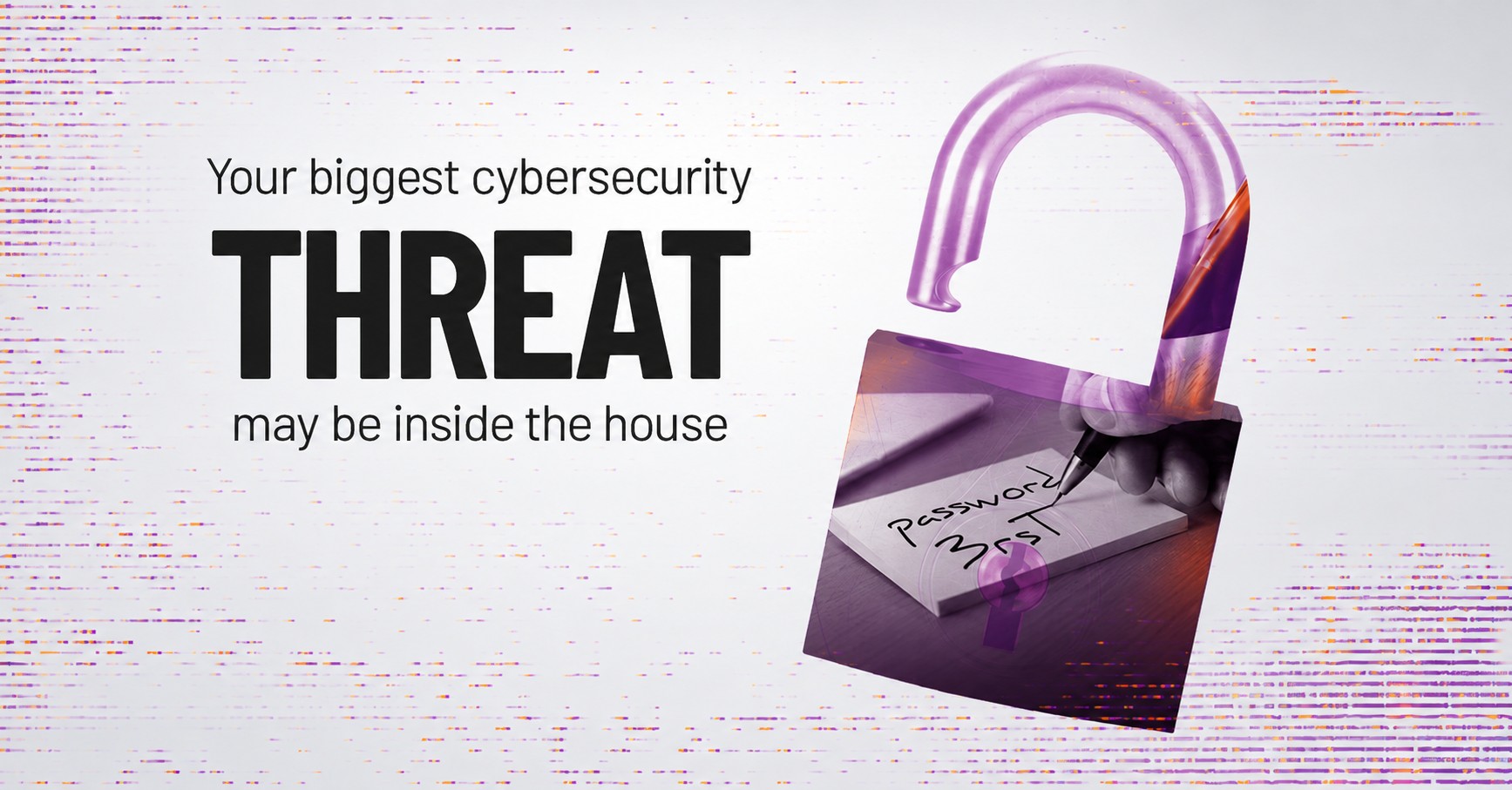
Cybersecurity conversations often begin with an attacker somewhere outside the organization. Yet many incidents begin much closer to home—with an account that has too much access, a former employee who was never removed, a shared password or sensitive information entered into an unapproved AI tool.
That does not mean your employees are the enemy. It means every person with access to your systems can either strengthen or weaken your defenses. Leaders should build security around that reality without creating a culture of suspicion.
Access should follow the job
Employees, vendors and contractors should have access only to the systems and information required for their work. When responsibilities change, permissions should change with them. When someone leaves, access should be removed promptly across email, cloud applications, remote access tools and shared accounts.
This principle—often called least privilege—limits how far an attacker can move if an account is compromised. It also reduces accidental exposure by keeping sensitive information out of places where it does not belong.
Every account needs accountability
Shared logins may feel convenient, but they make it difficult to know who completed an action or whether a password has been misused. Each user should have an individual account, strong authentication and a clearly defined owner. Administrative privileges should be reserved for the people and tasks that truly require them.
AI use belongs in the security conversation
Employees may turn to public AI tools to summarize a document, draft a response or analyze information. If customer records, financial details or confidential business information are entered into an unapproved tool, the organization may lose control of that data. A practical AI policy should explain which tools are approved, what information may be used and where employees should turn when they are uncertain.
Look for patterns, not assumptions
An unusual download, an unexpected request for access or a login at an unfamiliar time does not automatically prove wrongdoing. It does deserve review. Effective monitoring helps your organization identify patterns early while a clear response process helps leaders act consistently and fairly.
Build protection from the inside out
Start with a focused access review. Confirm who can reach your most important systems, remove accounts that are no longer needed, reduce unnecessary administrator rights and document how access will be updated when roles change. Then train your team to report mistakes and suspicious activity quickly.
Cybersecurity is strongest when people understand their responsibilities and leaders make secure behavior easier. Heritage Digital helps organizations align access, monitoring, training and response to reduce the risk that one overlooked account could place the business at risk.
Ready to strengthen security from the inside out? Call 843-699-1001 or email info@heritagedigital.com.
About the Author

Marty Parker
Owner & CEO
Marty is the Owner & CEO of Heritage Digital. With over 30 years of experience in building and leading top-notch IT teams, Marty has a rich background in both the manufacturing and healthcare sectors. He spent 13 years in each industry before taking the helm at Heritage Digital. Before leading Heritage Digital, he served as the CIO of Carolinas Hospital System (now MUSC Health Florence Medical Center). Marty is dedicated to educating and safeguarding people from cyber threats.