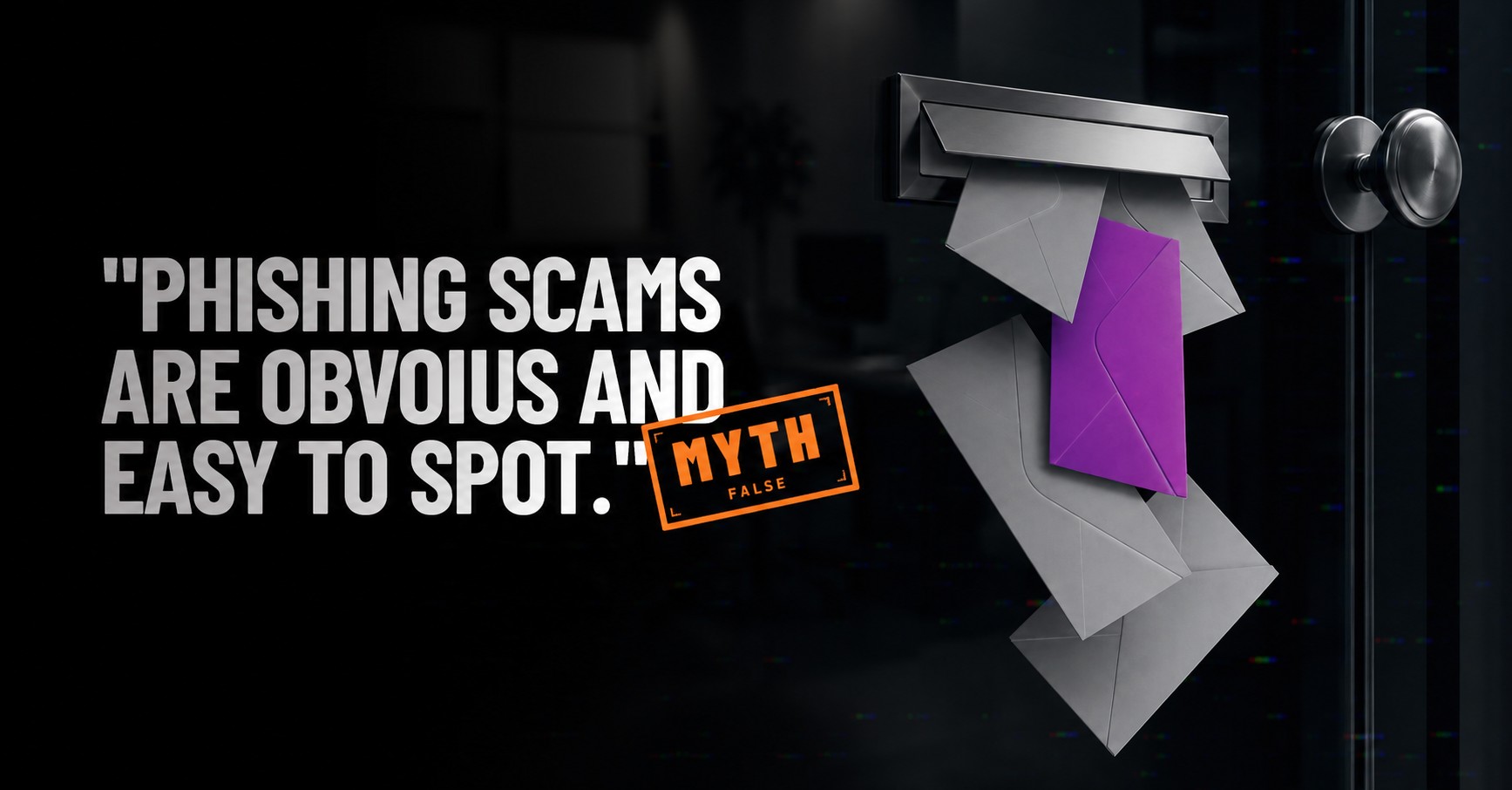
The old advice was simple: look for misspellings, strange formatting and suspicious links. Those warning signs still matter, but they are no longer enough. AI can help criminals produce polished messages that imitate a leader, vendor or financial institution with unsettling accuracy.
Phishing can arrive by email, text, phone call, QR code or workplace messaging platform. The message may refer to a real relationship, use familiar language and create just enough urgency to push someone past the normal approval process.
The real target is trust
A phishing message does not have to infect a computer to cause damage. It may persuade an employee to change payment instructions, reset a password, disclose sensitive information or approve access. Business email compromise is especially dangerous because the request may appear to come from an executive or trusted vendor.
Microsoft reported that identity-based attacks rose 32 percent during the first half of 2025 and that more than 97 percent of identity attacks were password attacks. That is why protecting identity, and the business processes connected to it, has become central to cybersecurity.
Verification should be part of the workflow
Train employees to pause when a request involves money, credentials, confidential information or a change in procedure. Then verify the request through a separate, trusted channel. Do not reply to the same message or use the phone number it provides. Call the person using a number already on file or begin a new conversation through an approved channel.
The process should be clear enough that employees do not feel they are slowing the business down by checking. A two-minute verification can prevent days or weeks of disruption.
Move beyond password-only protection
Multi-factor authentication adds an important layer, but not every method offers the same protection. Passkeys and security keys are designed to resist phishing because they do not rely on a code that can be intercepted or entered into a fraudulent site. Organizations should begin planning a move toward phishing-resistant sign-ins for email, cloud systems and other critical accounts.
Make reporting easy
Employees will sometimes click, respond or share information before realizing something is wrong. The response should be immediate reporting, not hiding the mistake. Give employees one clear way to report a suspicious message and ensure someone is responsible for reviewing it quickly.
Phishing has become more convincing, but your response can become more disciplined. Heritage Digital helps organizations strengthen email protection, authentication, verification procedures and employee readiness without turning every message into a technical investigation.
Need a verification process your team can follow with confidence? Heritage Digital can help you establish or review one. Call 843-699-1001 or email info@heritagedigital.com.
About the Author

Marty Parker
Owner & CEO
Marty is the Owner & CEO of Heritage Digital. With over 30 years of experience in building and leading top-notch IT teams, Marty has a rich background in both the manufacturing and healthcare sectors. He spent 13 years in each industry before taking the helm at Heritage Digital. Before leading Heritage Digital, he served as the CIO of Carolinas Hospital System (now MUSC Health Florence Medical Center). Marty is dedicated to educating and safeguarding people from cyber threats.